
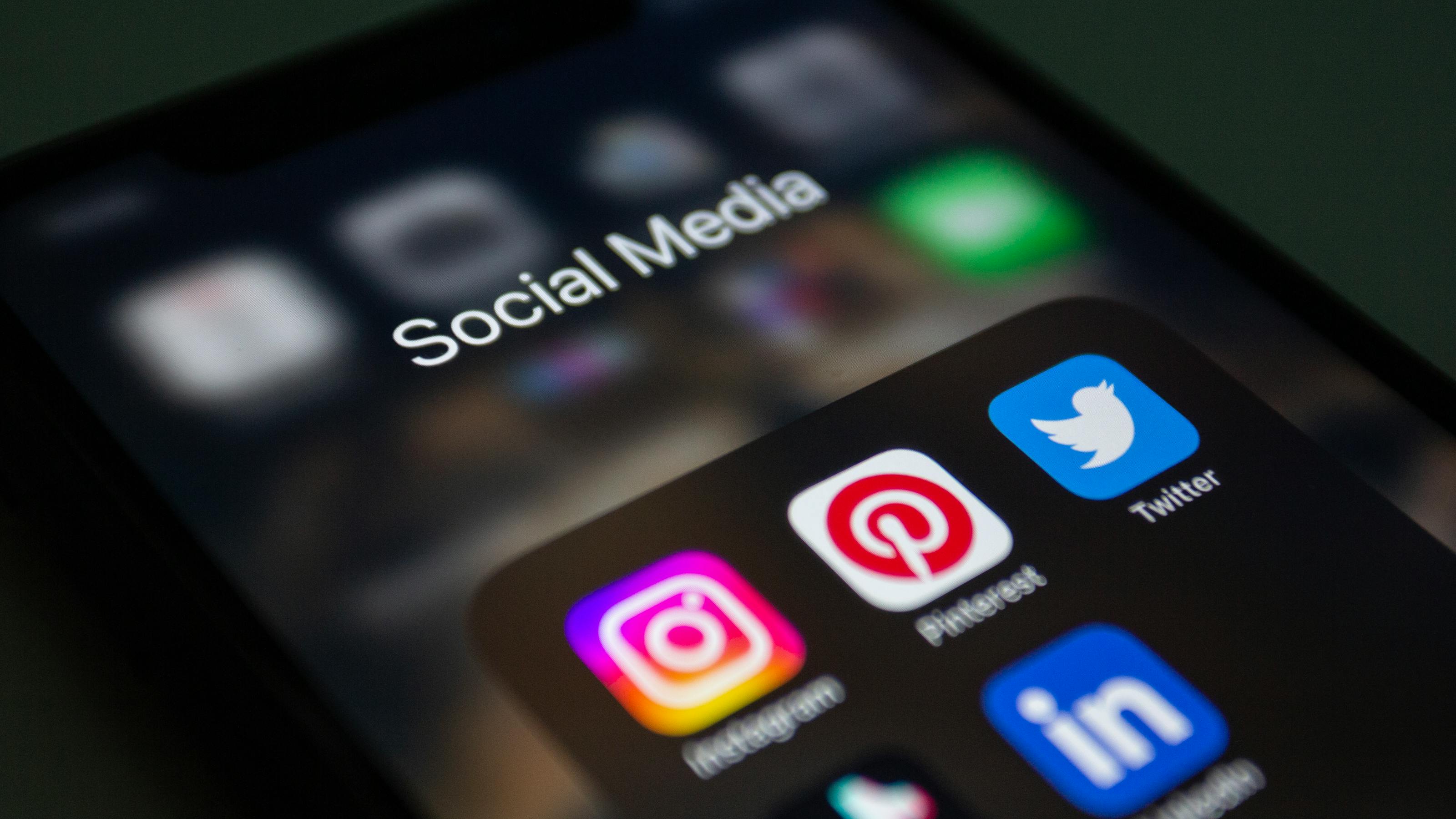
Every "quit social media" article tells you the same thing: delete the apps, go for a walk, find a hobby. And every time, it lasts about three days before you're reinstalling Instagram "just to check one thing."
The problem isn't your willpower. It's that those guides miss the real reason people fail. You're not quitting because you love scrolling. You're quitting because you've noticed something is wrong. But you still need the information that social media provides — industry news, what friends are doing, culture moving in real time. Cold turkey removes the noise, but it also cuts the signal.
The real question isn't "how do I quit social media." It's: how do I quit the habit without losing everything it gives me?
This guide walks through the exact method that actually works — based on research from the American Psychiatric Association, Pew Research, and a University of Pennsylvania study on social media and mood.
Step 0: Understand why most people relapse
Before the how-to, it helps to know why cold turkey rarely lasts. It's not a character flaw. It's a design problem.
The fix isn't willpower. It's replacing the feed, not removing it — keeping the information flow while cutting the infinite-scroll design.
Step 1: Define what's actually essential
Most of what you consume on social media doesn't serve you. The algorithm pushes engagement bait because it keeps you scrolling, not because it's useful.
Make a 5-minute honest audit. What would you genuinely miss if you quit cold turkey?
- Industry news from X / Twitter
- 5-10 Instagram accounts you genuinely like
- 2-3 subreddits relevant to work or hobbies
- A few Facebook groups or pages
- The "For You" and "Explore" tabs
- Reels and shorts you didn't ask for
- Comment threads from strangers
- Rage bait and outrage cycles
Most people land on 20-30 sources that matter. Everything else is the algorithm filling space to keep you engaged.
Step 2: Replace the feed, don't just remove it
Now that you know what's essential, route it to you differently. Instead of opening four apps and scrolling through noise to find signal, get the signal delivered in a format with an ending.
1. Connect your X account
2. Add the Instagram accounts, subreddits, and Facebook pages from your list
3. Pick a schedule: once a day, or every 12 hours
4. Choose delivery: email or Telegram
That's it. Unscroll reads every post on your feeds and sends you a 2-minute digest of what actually mattered. Every sentence links to the original if you want to dig deeper. And because it has an end, you're done when you finish reading.
The critical shift: the digest has a finish line. No infinite scroll. No algorithmic hole to fall into. You read it in 2 minutes, you're informed, you close it.
Step 3: What the first 30 days feel like
Based on user data and what meta-analyses on social media abstinence predict, here's the actual timeline:
The math: what you actually get back
Here's the average daily screen time per platform, per ElectroIQ / Statista 2025:
| Platform | Daily avg. | Yearly total |
|---|---|---|
| X (Twitter) | 34 min | 207 hrs |
| 38 min | 231 hrs | |
| 31 min | 189 hrs | |
| 25 min | 152 hrs | |
| Total | 2 hrs 8 min | 779 hrs (32 days) |
Replace four apps with a 2-minute digest and you recover 2 hours and 6 minutes every single day. That's 766 hours a year — 95 workdays. Or, more concretely: enough time to read 75 books, train for a marathon, or finally sleep 8 hours a night.
And according to the APA, about half of Americans reduced their social media use in 2025. Even more plan to in 2026. You're not weird for wanting this. You're early.
Frequently Asked Questions
Won't I miss something important if I stop scrolling?
The AI reads every post on your connected feeds, not just what the algorithm shows you. Most users catch more relevant content in the digest than they did manually — because the algorithm hides things from you by default.
What if I need social media for work?
Keep the account, delete the app. Use the web version on a schedule when you need to post. The digest covers consumption; you only open the platform to create or respond.
What does it cost?
Your first 7 digests are free, no card required. After that, $20/month. Cancel anytime from your dashboard.
How do I not just swap one screen habit for another?
Plan the recovered time in advance. A book on your nightstand. A friend to call. A project you've been putting off. The habit breaks fastest when you replace it with something else, not just leave a void.